
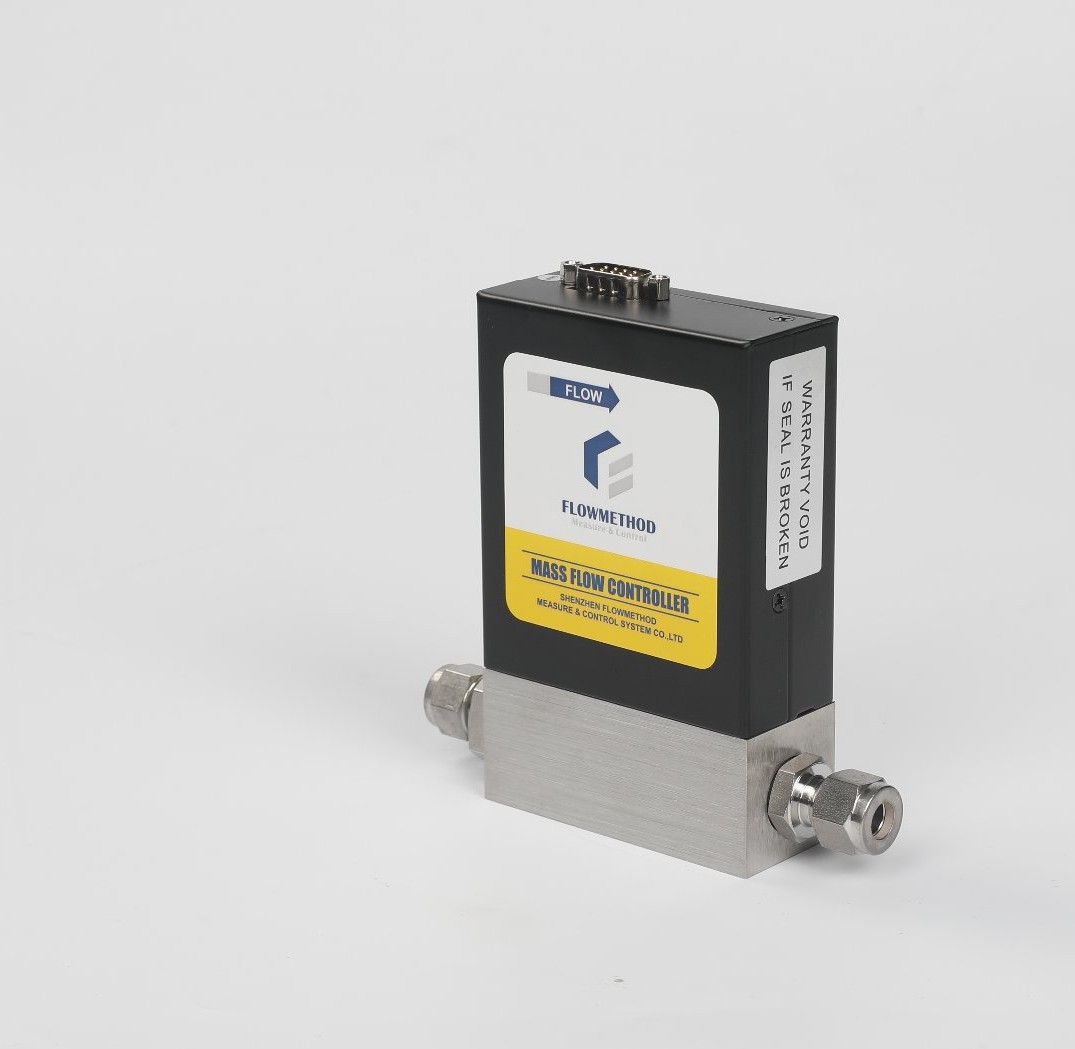
A normal flow reading does not prove that the surrounding piping is leak-free. Double-ferrule fittings are common on gas mass flow controllers, and incorrect assembly can cause repeated leakage or damage. The procedure depends on the fitting brand and size: do not apply one turn count to every connector.
1. Prepare the tubing and components
Cut the tube square, avoid ovality, remove internal and external burrs, and keep the tube clean. Confirm that the front ferrule, back ferrule and nut are complete and correctly arranged. A scratch at the sealing location or debris carried into the instrument can cause trouble even when the nut is tightened correctly.
2. A six-step installation and verification sequence
- Insert fully. Seat the tube against the shoulder in the fitting body and keep it seated during tightening. Do not deliberately pull it back by 1 mm as a general rule.
- Finger-tighten. Follow the fitting manufacturer's initial assembly instructions and mark the starting position. For the Swagelok procedure referenced below, mark the nut at the 6 o'clock position.
- Tighten by the specified amount. For the referenced Swagelok fittings up to 1 in. / 25 mm, the normal instruction is 1¼ turns, finishing at 9 o'clock. The 1/16, 1/8 and 3/16 in.; 2, 3 and 4 mm sizes use ¾ turn, finishing at 3 o'clock. These are manufacturer-specific instructions, not a universal specification for Flowmethod-supplied or other-brand fittings. Hold the fitting body steady.
- Inspect as instructed. Use the fitting supplier's prescribed inspection method, such as a suitable initial-assembly gap gauge where applicable. Do not routinely dismantle a new connection merely to inspect it unless the applicable instructions call for that step.
- Reassemble only to the reassembly procedure. Reused ferrules and tubing need the relevant manufacturer's method. Do not repeat the first-installation turn count or assume an additional 1/6–1/4 turn is correct for every design.
- Mark and record. Reference marks and an installation record help identify later movement, but do not replace an inspection or leak test.
Where piping is frequently disconnected, choose a suitable service connection rather than repeatedly disturbing the instrument's tube fitting. Reuse limits and component compatibility depend on the fitting instructions.
3. Six common mistakes
- Missing a ferrule or reversing its order.
- Tightening while the tube is not fully seated.
- Stopping before the prescribed pull-up is complete.
- Overtightening, damaging the tube or instrument connection.
- Using scratched, burred or deformed tubing.
- Applying unapproved lubricants or anti-seize compounds, or dry-assembling a design that requires a specified treatment. Follow the fitting supplier's instructions and the process cleanliness requirements.
Do not put tape or sealant on a double-ferrule sealing surface. Pipe-thread connections are a separate design.
4. Leak-test before process use
Use an approved procedure with a compatible inert gas, appropriate discharge handling, and pressure below every component's rating. Compatible leak-detection fluid can locate surface leaks; pressure-hold or instrumented tests may be needed for the required leak specification.
The original article's 0.4 MPa, 10-minute pressure-hold example is not a universal acceptance test. Temperature stability, system volume and gauge resolution matter, and “no visible pressure change” does not prove a specified leak rate.
If leakage is found, isolate and depressurize before any tightening or disassembly. Check assembly and apply only the prescribed reassembly or repair method, then retest. Repeatedly adding turns can ruin the connection.
Correct assembly avoids downtime, contamination and instrument damage. For the actual fittings supplied with your instrument, ask for the relevant installation procedure.
Reference: Swagelok tube fitting installation instructions. The referenced method does not imply that all fittings on this website are Swagelok products.
For selection, installation or technical enquiries, contact Flowmethod: Mr. Dou, +86 180 3818 3381; doufeijin@hotmail.com. See Contact for the full contact list.